Domestic (TSX)
Target allocation: 20-30%. Focus on tax-efficient Canadian dividends and stable banking sectors. Provides currency stability for local expenses.
Yield AnalysisA systematic approach to asset allocation for the Canadian investor. We analyze the technical correlation between equity classes, bond durations, and geographic weightings to optimize long-term returns.
Subscribe to be the first to know.
Return Volatility Factor
Studies indicate that over 90% of a portfolio's return variability is determined by asset allocation rather than individual security selection.
Average Bond Yield
Historical aggregate bond yields provide a necessary cushion during periods of high equity market drawdown and volatility.
Geographic Regions
Broad-market ETFs typically cover dozens of developed and emerging markets to mitigate localized economic downturns.
Risk tolerance is not a subjective feeling but a technical calculation of your ability to withstand market drawdowns without liquidating assets. For Canadian investors, this involves assessing both time horizon and liquidity requirements. A 20% market drop should be viewed as a technical entry point rather than a catastrophic event, provided the allocation aligns with your recovery capacity.
We categorize risk into three primary metrics: capacity (how much you can afford to lose), requirement (how much risk is needed to meet goals), and attitude (how you react to volatility). Understanding these factors prevents the common error of "panic selling" during standard market corrections.
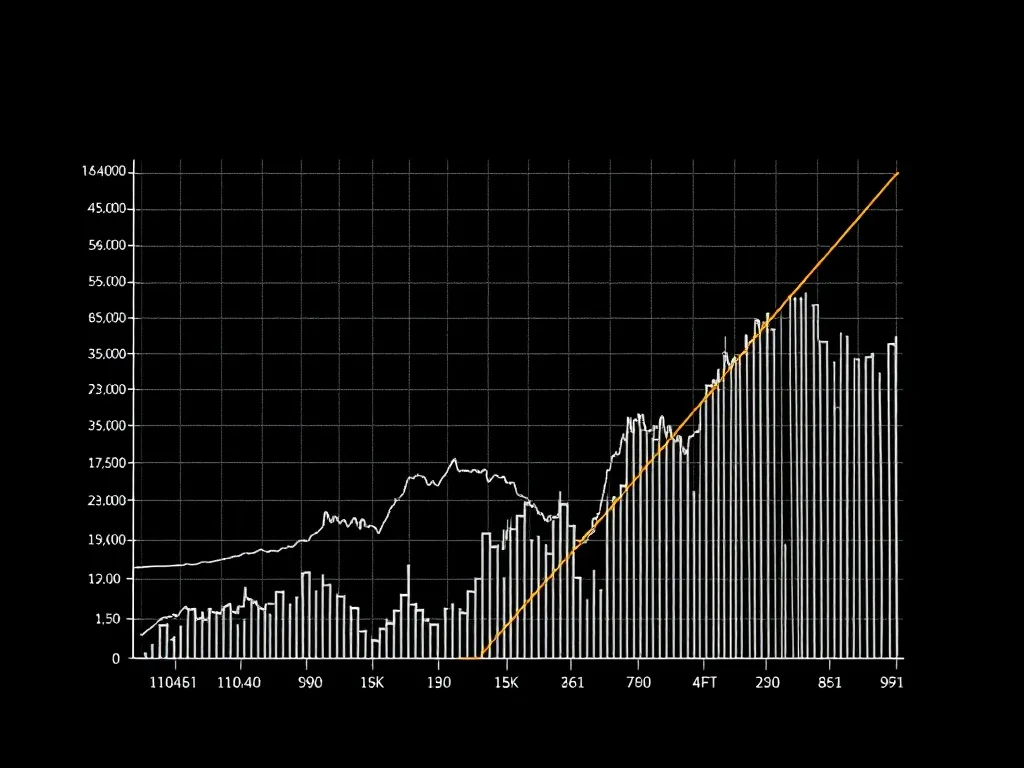

The ratio between equities and fixed income is the primary lever for controlling portfolio volatility. In the Canadian context, using aggregate bond ETFs provides a hedge against equity market downturns. While equities drive growth, bonds serve as the "ballast," ensuring that the total portfolio value remains within acceptable risk parameters.
Selecting the correct ratio requires a deep dive into market mechanics and interest rate sensitivity. As rates rise, bond prices typically fall, but their long-term yield increases, providing a higher baseline for future passive income.
Many Canadian investors suffer from "Home Bias," over-allocating to the domestic market. While Canada offers strong performance in financials and energy, it represents less than 3% of the global equity market. A robust portfolio must include exposure to the US, International Developed, and Emerging Markets.
Target allocation: 20-30%. Focus on tax-efficient Canadian dividends and stable banking sectors. Provides currency stability for local expenses.
Yield AnalysisTarget allocation: 40-50%. Provides exposure to technology, healthcare, and consumer sectors not well-represented in the Canadian economy.
Core StrategyTarget allocation: 20-25%. Exposure to Europe, Asia, and Australia. Essential for mitigating risks associated with North American economic cycles.
Setup GuidePortfolio drift is a technical reality. As some assets outperform others, your risk profile changes. Rebalancing is the mechanical process of selling winners and buying laggards to return to your target allocation.
Technical Insight
"Rebalancing forces you to sell high and buy low, removing the emotional component from the investment process."
Triggered when an asset class deviates by more than 5% from its target. This method is more responsive to market volatility than calendar-based rebalancing and ensures that the portfolio never strays too far from the intended risk profile. It requires consistent monitoring of asset weights.
Executed on a fixed schedule (semi-annually or annually). This method reduces transaction costs and management time. For most passive investors using automated platforms, an annual check-up is sufficient to maintain structural integrity.
The most efficient method for active contributors. Use new contributions to purchase underweight assets. This avoids selling existing holdings, which can trigger tax consequences in non-registered accounts and reduces commission overhead.
The first step to long-term wealth is a technically sound portfolio structure. Download our allocation worksheet or explore our ETF analysis.